Talk To Us Today!

Please feel free to call for free advice on any pest, or to book your next inspection/treatment today.

Call the Experts Today on:

Quick Quote

Author: Tania

Is a “Termite House North Brisbane” Search a Serious Warning?

Is a “Termite House North Brisbane” Search a Serious Warning? What the Signs Mean—and Why They Should Never Be Ignored

If you search for “Termite House North Brisbane,” it’s definitely a serious warning. Termites can cause hidden damage that’s hard to spot but costly to fix. Look for signs like mud tubes, hollow wood, or discarded wings. Acting quickly can save you money and protect your home’s value. Ignoring these signs may lead to severe infestations and safety issues. Want to know how to effectively inspect for termites and prevent them? There’s more to explore.

Termite House North Brisbane

Key Takeaways

  • A “Termite House North Brisbane” search indicates potential termite activity, which poses significant risks to property integrity and safety.
  • Signs like mud tubes, hollow wood, and discarded wings are crucial indicators of an active infestation.
  • Regular inspections and proactive measures are essential to detect and mitigate termite damage effectively.
  • Termite infestations can lead to decreased property value and increased insurance challenges.
  • Early intervention is vital to minimize damage, reduce repair costs, and maintain structural integrity.

What Are Termites and Why Are They a Concern in North Brisbane?

Termites, often dubbed “silent destroyers,” pose a significant threat in North Brisbane due to their ability to chew through wood, paper, and even insulation without detection. These pests can wreak havoc in a termite house North Brisbane, causing extensive damage before you even realize they’re there. Their colonies can number in the thousands, making them a formidable foe for homeowners.

Understanding why termites are a concern is essential. They thrive in warm, humid environments, which is typical in North Brisbane. If left unchecked, they can lead to costly repairs and structural issues. A1 Pest Management North Brisbane emphasizes the importance of proactive measures and regular inspections. By staying informed about termite behavior and signs, you can protect your property effectively. Ignoring the threat could mean inviting disaster, so being vigilant is key to maintaining the integrity of your home.

How to Inspect Your Home for Termites Effectively

How can you guarantee your home stays safe from termites? Regular inspections are key. While you might not see them, termites can cause significant damage if left unchecked. Here’s how to effectively inspect your home:

  1. Check the Foundation: Examine the ground around your foundation for any mud tubes or signs of tunneling. These are clear indicators of termite activity.
  2. Inspect Wood Structures: Gently tap on wooden beams and posts. If they sound hollow, termites could be present.
  3. Look for Swarmers: During warmer months, keep an eye out for swarming termites, especially near windows or doors.
  4. Monitor Moist Areas: Termites thrive in damp environments. Check for leaks in plumbing or drainage issues, as these attract termites.

Top Indicators of a Termite Infestation

After conducting a thorough inspection of your home, being aware of the top indicators of a termite infestation is essential for ongoing protection. Look for mud tubes along walls or foundations; these serve as highways for termites. You might also notice hollow-sounding wood when you tap it—this indicates they’ve been munching away inside. Pay attention to discarded wings, often found near windows or doors; these suggest swarmers have recently left to establish new colonies.

Bubbling or peeling paint can signal moisture issues and potential termite activity beneath the surface. Additionally, check for frass, or termite droppings, which resemble small wood pellets. If you detect any unusual sounds, like crunching or tapping, it’s worth investigating further. Staying vigilant and recognizing these signs can save you from costly damage and guarantee your home remains a safe haven.

How Termites Affect Property Value and Safety

While many homeowners might overlook the potential dangers lurking beneath their floors, the presence of termites can greatly impact both property value and safety. Ignoring these pests can lead to severe consequences that extend beyond mere structural damage.

  1. Decreased Market Value: Homes with a history of termite infestations often sell for considerably less, as buyers perceive them as high-risk investments.
  2. Increased Insurance Costs: Properties with termite damage may face higher premiums or even difficulty securing coverage.
  3. Safety Hazards: Compromised structural integrity can lead to dangerous collapses, putting occupants at risk.
  4. Remediation Expenses: The cost of repairing termite damage and hiring pest control experts can quickly add up, creating financial strain.

Being proactive in addressing termite issues not only safeguards your investment but also guarantees a safe living environment. Don’t wait until it’s too late—take action now!

Why Early Detection of Termites Saves You Money

Detecting termites early can save you a significant amount of money, as the longer these pests go unnoticed, the more extensive and costly the damage becomes. By identifying signs of infestation promptly, you can mitigate structural damage and avoid expensive repairs that could run into thousands of dollars. Termites can weaken the integrity of your home, leading to potentially hazardous conditions and a severe drop in property value.

Regular inspections and proactive treatments can be far less expensive than dealing with the consequences of an unchecked infestation. If you wait until you notice significant damage, you might face not just repair costs but also potential loss of utility and safety. Investing in preventive measures guarantees you safeguard your property while maintaining your financial well-being. So, don’t ignore those early signs; acting swiftly can be your best defense against a costly nightmare.

Debunking Myths About Termites and Their Impact

Ignoring early signs of termite infestation can lead to costly repairs, but misconceptions about these pests can make matters worse. Understanding the truth behind these myths is essential for effective management. Here are four common misconceptions:

  1. Termites only eat wood: While they primarily consume cellulose in wood, they can also damage paper, insulation, and other materials.
  2. Termites are only a problem in the summer: Termites can be active year-round, especially in warm climates like North Brisbane.
  3. DIY treatments are sufficient: Many homeowners underestimate the complexity of effective termite control, often requiring professional intervention.
  4. All termites cause significant damage: Not all termite species are destructive; some play a beneficial role in the ecosystem.

How to Prevent Termite Infestations in Your Home

To keep termites at bay, it’s crucial to implement preventive measures before an infestation occurs. Start by verifying that your home’s perimeter is clear of wood debris and mulch, as these attract termites. Regularly inspect your foundation for cracks and seal any openings to block entry points. Consider using termite-resistant materials for decks and fences, as they provide an extra layer of protection.

Maintain a dry environment by fixing leaks and guaranteeing proper drainage away from your home. Install gutter systems that direct water away from the foundation. Keeping wood and soil contact to a minimum is important; elevate wooden structures and make sure they’re not in direct contact with the ground.

Lastly, scheduling annual inspections with a pest control professional can help identify potential issues early. By being proactive, you’re investing in the longevity and integrity of your home, safeguarding it against these destructive pests.

What to Do When You Discover Termites?

Discovering termites in your home can be alarming, but acting quickly is essential to minimize damage. First, you need to assess the situation thoroughly. Don’t panic; take a deep breath and follow these steps:

  1. Identify the Infestation: Pinpoint where you see the termites or their signs, like frass or mud tubes.
  2. Contain the Area: Seal off the infested area to prevent them from spreading to other parts of your home.
  3. Document Evidence: Take photos and notes about the infestation for your records and any professionals you may consult.
  4. Contact a Professional: Reach out to a certified pest control expert who can evaluate the extent of the damage and recommend appropriate treatments.

Exploring Your Options for Termite Treatment

Once you’ve identified a termite infestation, exploring your options for treatment becomes essential to protect your home. You’ll typically face two primary approaches: chemical treatments and physical barriers. Chemical solutions, like liquid termiticides, can eliminate existing colonies and provide a protective barrier against future infestations. It’s vital to choose a product approved for your area, ensuring effectiveness and safety.

On the other hand, physical barriers—such as steel mesh or concrete—prevent termites from accessing your home. These are particularly effective during construction but can also be retrofitted in existing structures.

Additionally, consider baiting systems that attract and kill termites, disrupting their colony over time. Consulting a professional pest control expert is advisable; they can assess your specific situation and recommend the most effective treatment. Remember, timely intervention is key to minimizing damage and preserving your investment.

Ongoing Maintenance to Keep Termites Away

Regular maintenance is essential for keeping termites at bay. Proactive measures can save you from costly repairs and protect your home’s integrity. Here are four key strategies to incorporate into your routine:

  1. Inspect Regularly: Check your property for signs of termites, such as mud tubes and damaged wood. Early detection is vital.
  2. Eliminate Moisture: Termites thrive in damp environments. Make certain gutters are functioning and fix any leaks promptly to reduce moisture levels.
  3. Seal Entry Points: Inspect and seal cracks in your foundation and around windows. This minimizes access points for termites.
  4. Maintain Landscaping: Keep wood mulch and other organic materials away from your home. Trim trees and shrubs to prevent direct contact with your structure.

Frequently Asked Questions

Can Termites Cause Health Issues for Humans or Pets?

Termites themselves don’t directly cause health issues for humans or pets, but they can create an environment that fosters mold growth, which can lead to respiratory problems. Additionally, if you’re treating a termite infestation with chemicals, those substances might pose health risks if not handled properly. It’s vital to guarantee your home remains safe and free from both termites and potential health hazards they might indirectly create. Always consult a professional for guidance.

How Long Does a Termite Infestation Typically Go Unnoticed?

termite infestation can typically go unnoticed for six months to two years. These sneaky swindlers silently snack away at your home, often hidden in walls or wood. If you’re not vigilant, you might miss early signs like tiny tunnels or discarded wings. The longer you wait, the greater the damage. To safeguard your sanctuary, stay alert and schedule regular inspections to catch any creeping critters before they create chaos.

Are Certain Home Materials More Attractive to Termites?

Yes, certain materials are definitely more attractive to termites. They’re drawn to wood, especially untreated or decaying varieties, as well as paper products and cardboard. If you’ve got wooden structures or furniture, it’s essential to guarantee they’re properly treated and maintained. Additionally, cellulose-based materials like insulation can also attract them. Being proactive about these materials can help you prevent infestations before they become a serious issue in your home.

Do Termites Only Infest Wooden Structures?

Termites don’t just infest wooden structures; they can also target materials like drywall, cardboard, and even some plastics. If you’ve got cellulose-based materials in your home, they might attract these pests. It’s essential to understand that termites can cause significant damage beyond just timber. So, by keeping an eye on all materials in your home, you can better protect your property from potential infestations and maintain its structural integrity.

How Do Weather Conditions Affect Termite Activity?

Weather conditions considerably impact termite activity. Warm, humid climates promote their reproduction and foraging, while dry conditions can slow them down. In your area, if it’s particularly wet, you might notice increased activity as termites thrive in moisture-rich environments. Conversely, cold temperatures can drive them deeper into the ground or into structures, seeking warmth. Monitoring these weather patterns can help you anticipate potential infestations and take proactive measures.

Is the Termites North Brisbane Risk Seasonal or Year-Round?

Is the Termites North Brisbane Risk Seasonal or Year-Round? What Changing Conditions Mean—and Why Homeowners Should Care

Termite risks in North Brisbane aren’t just seasonal; they persist year-round. While activity peaks in warmer, wetter months, even cooler seasons can see damage. Changes in temperature and humidity greatly impact termite behavior, making regular inspections vital. If you ignore these risks, you could face severe structural damage and costly repairs. Staying proactive with prevention measures is essential for your home’s protection. There’s much more you should know to safeguard your property effectively.

Termites North Brisbane

Key Takeaways

  • Termite activity peaks from late spring to early autumn, particularly during warm, humid months when swarmers establish new colonies.
  • Elevated humidity and temperature above 25°C accelerate termite foraging and reproduction, increasing infestation risks year-round.
  • Regular inspections are essential as termites can cause silent damage, making early detection crucial regardless of the season.
  • Professional inspections offer expertise in identifying risks and implementing effective treatments, safeguarding property value and structural integrity.
  • Ignoring termite risks can lead to significant structural damage and costly repairs, emphasizing the need for proactive prevention measures.

What Homeowners Need to Know About Termite Risks

When it comes to protecting your home, understanding termite risks is essential. In North Brisbane, termites pose a notable threat due to the region’s warm, humid climate. You need to be proactive in recognizing the signs of infestation, as these pests can silently damage your property before you even realize they’re there.

A1 Pest Management North Brisbane emphasizes the importance of regular inspections. Termites often linger in hidden areas, making early detection vital for minimizing damage. Knowing the common species in your area can also help; for instance, the Subterranean termite is particularly notorious.

Implementing preventive measures, like reducing wood-to-soil contact and ensuring proper ventilation, can greatly reduce your risk. Stay informed and consult professionals to maintain your home’s integrity. By being vigilant and knowledgeable, you can effectively safeguard your property against termites in North Brisbane.

Seasonal Patterns: When Are Termite Infestations Most Likely?

Understanding the seasonal patterns of termite infestations can further enhance your protection measures. In North Brisbane, termite activity typically peaks during the warmer, wetter months, particularly from late spring to early autumn. During this period, the humidity and temperatures create ideal conditions for these pests to thrive.

You should be particularly vigilant in early summer, as this is when swarmers emerge to establish new colonies. However, don’t let your guard down in cooler months; termites can still cause damage year-round, albeit at a reduced rate.

Regular inspections and preventative treatments are essential, especially as the seasons change. By understanding these seasonal patterns, you can anticipate potential infestations and implement strategies to mitigate risks effectively. Knowledge isn’t just power; it’s your best defense against costly termite damage. Keep a proactive mindset, and stay ahead of these destructive pests.

Weather’s Impact on Termite Activity

While you might think termite activity is mostly tied to seasons, weather conditions play an essential role in their behavior and movement. Fluctuations in temperature and precipitation can greatly influence their activity levels. For instance, warm, humid days accelerate their foraging behavior, prompting them to venture out in search of food. Conversely, extreme heat or cold can suppress their activity, forcing them to remain dormant in their colonies.

Rainfall also affects soil moisture, impacting where termites establish colonies. After heavy rains, they might migrate to drier areas, potentially leading to infestations in previously unaffected homes. Additionally, sudden weather changes can disrupt their patterns, making it imperative for homeowners to stay vigilant year-round.

Understanding these dynamics empowers you to take proactive measures, ensuring your property remains protected regardless of the weather. By monitoring conditions and being informed, you can effectively mitigate termite risks.

Humidity’s Role in Termite Infestations

Humidity markedly influences termite infestations, as these pests thrive in moist environments. If you live in North Brisbane, understanding humidity’s role is essential for protecting your home. Elevated humidity levels create ideal conditions for termites, enabling them to flourish and invade.

Here are three key factors to ponder:

  1. Moisture Sources: Leaky pipes or poor drainage can increase humidity levels, attracting termites to your property.
  2. Seasonal Variations: During the wet season, humidity spikes, heightening the risk of infestations. Keeping an eye on weather patterns can help you anticipate termite activity.
  3. Structural Vulnerabilities: Homes with inadequate ventilation or damp basements provide a perfect breeding ground. Regular inspections can help you identify and mitigate these risks.

Temperature Trends and Termite Risks

As temperatures rise in North Brisbane, the risk of termite infestations increases considerably. Warmer conditions create an ideal environment for termites, enabling them to thrive and reproduce more rapidly. Typically, temperatures above 25°C accelerate their activity, making your home more vulnerable.

You might notice that prolonged heat waves can push these pests to expand their foraging range, increasing the likelihood of encounters with your property. Additionally, fluctuating temperatures can disrupt natural predator balances, further allowing termite colonies to grow unchecked.

It’s essential to recognize that these trends aren’t just seasonal; they can lead to year-round threats. If you’re not vigilant, even minor temperature changes might encourage termite activity. Understanding how temperature affects termite behavior empowers you to take proactive measures, ensuring your home remains protected from these destructive pests. Stay informed and act swiftly to safeguard your property against potential infestations.

Signs of Termite Infestations by Season

Increased temperatures not only heighten termite activity but also make it easier to spot signs of infestations throughout the year. Recognizing these indicators can save you from extensive damage and costly repairs. Here are three key signs to look out for in each season:

  1. Spring: Look for mud tubes near the foundation. These are pathways termites use to travel between their colony and food sources.
  2. Summer: Pay attention to discarded wings around windows and doors. Swarming termites shed their wings after establishing new colonies.
  3. Fall/Winter: Check for hollow-sounding wood. If you tap on wooden structures and hear a hollow sound, it might indicate a hidden infestation.

Year-Round Termite Prevention Strategies

While you can’t control the climate, you can take proactive steps to protect your home from termites year-round. Start by maintaining a dry environmentfix leaks and guarantee proper drainage around your foundation. Regularly inspect and clear gutters, as standing water can attract termites.

Consider installing physical barriers, like steel mesh or concrete, during construction or renovations. Use borate-treated wood in vulnerable areas to deter infestations.

Keep firewood, mulch, and debris at least 30 feet away from your home’s foundation. Seal cracks and crevices in walls and around windows to minimize entry points.

Regular inspections by a pest control professional can provide peace of mind. Remember, an ounce of prevention is worth a pound of cure. By implementing these strategies consistently, you’ll greatly reduce your risk of termite infestations throughout the year. Stay vigilant and proactive—your home deserves it.

Tips for Monitoring Your Home for Termite Activity

To effectively monitor your home for termite activity, it’s crucial to stay observant and proactive. Regular checks can help you catch potential infestations early, saving you time and money in the long run.

Here are three key tips to enhance your monitoring efforts:

  1. Inspect Wood Structures: Routinely examine wooden beams, decks, and furniture for signs of damage or hollowing. Tap lightly with a screwdriver to detect soft spots.
  2. Check for Mud Tubes: Look for small, pencil-sized mud tubes on walls or foundations. These are indicative of termite travel routes and should be removed and investigated.
  3. Monitor Moisture Levels: Keep an eye on areas prone to moisture, like basements and crawl spaces. High humidity can attract termites, so consider using dehumidifiers if necessary.

The Value of Professional Inspections and Treatments

When it comes to safeguarding your home from termite damage, professional inspections and treatments play an essential role. You might think you can handle monitoring for termites yourself, but trained professionals possess the expertise to identify subtle signs of infestation that you could easily overlook. Their specialized knowledge allows them to assess the overall condition of your property and discern potential risk factors.

Moreover, professional treatments utilize advanced methods and products that are both effective and safe for your family. DIY solutions often fall short, risking inadequate protection and costly damage down the line. By investing in professional services, you’re not only addressing current issues but also implementing preventive measures that can save you money in the long run. Ultimately, a thorough inspection and targeted treatment can greatly enhance your home’s resilience against termites, ensuring peace of mind for you and your loved ones.

Consequences of Ignoring Termite Risks

Ignoring termite risks can lead to devastating consequences for your home and finances. When you overlook these threats, you’re not just risking structural damage; you’re also jeopardizing your investment. Here are three critical consequences you should consider:

  1. Structural Damage: Termites can eat away at the wooden structures of your home, leading to costly repairs that could have been avoided.
  2. Decreased Property Value: If termites are discovered, your property’s value can plummet, making it harder to sell and diminishing your equity.
  3. Increased Treatment Costs: By neglecting preventive measures, you might find yourself facing more extensive treatments, which can be considerably more expensive than routine inspections.

Staying vigilant about termite risks is essential. Proactive measures not only protect your home but also safeguard your financial future. Don’t wait until it’s too late; take action now.

Frequently Asked Questions

Can Termites Cause Structural Damage in a Single Season?

They say, “A stitch in time saves nine,” and that couldn’t be truer with termites. Yes, termites can cause significant structural damage within a single season, especially in warm, humid conditions. They work quietly and quickly, often going unnoticed until the damage is extensive. As a homeowner, it’s essential to be vigilant, regularly inspect your property, and take preventive measures to avoid costly repairs down the line. Don’t underestimate their potential!

How Do Different Termite Species Affect Infestation Risks?

Different termite species can greatly influence infestation risks in your home. For instance, subterranean termites, often the most destructive, thrive in moist conditions and can quickly invade structures. Drywood termites, on the other hand, can infest wood without needing contact with soil, making them harder to detect. Understanding these differences helps you identify vulnerabilities in your home and take proactive measures to protect your property from potential damage caused by various termite species.

What Are the Costs Associated With Termite Treatments?

Termite treatment costs can vary widely, usually ranging from a few hundred to several thousand dollars, depending on factors like infestation severity and property size. You might face expenses for inspections, preventative treatments, and repairs if damage has occurred. Regular maintenance can also add to your costs, but it’s essential to protect your investment. Understanding these financial implications helps you make informed decisions about termite management and safeguarding your home.

Are There Natural Remedies to Deter Termites Effectively?

You’re standing in your home, the scent of fresh wood mingling with the fear of unwelcome guests. To deter termites naturally, consider using nematodes—tiny worms that hunt pests. Essential oils like orange or neem can also repel them, filling your space with invigorating scents. Additionally, sprinkling diatomaceous earth around vulnerable areas creates a barrier. By employing these methods, you take control, safeguarding your home against the silent destructors lurking nearby.

How Often Should Homeowners Conduct Termite Inspections?

You should conduct termite inspections at least once a year, but if you live in a high-risk area, consider increasing that frequency. Regular inspections help catch infestations early, preventing costly damage. After heavy rains or storms, it’s wise to check more frequently, as these conditions can drive termites closer to your home. Staying proactive guarantees you protect your property effectively, giving you peace of mind and potentially saving you a lot in repairs.

Is Termite Control Worth the Cost?

Is Termite Control Worth the Cost? What Preventative Protection Means—and Why Waiting Can Become Expensive

Yes, termite control is worth the cost. Proactive measures like moisture control and sealing entry points can save you from expensive repairs later. Waiting to address potential infestations can lead to significant structural damage that insurance often doesn’t cover. By investing now, you protect your property and reduce long-term expenses. Plus, understanding your options helps you make the best choice for your situation. Discover more about how to effectively manage termite risks.

Termite Control

Key Takeaways

  • Early detection of termite infestations prevents extensive damage and costly repairs, making termite control a worthwhile investment.
  • Proactive measures like regular inspections and sealing entry points protect property value and reduce future expenses.
  • Waiting to address termite signs can lead to escalating repair costs that insurance typically doesn’t cover.
  • Professional pest control offers effective solutions for severe infestations, saving time and money compared to DIY approaches.
  • Investing in preventative protection strategies ensures long-term safety and preserves the integrity of your property.

Signs of a Termite Infestation: What to Look For

If you suspect your home might have a termite problem, it’s essential to know the signs of an infestation. Look for mud tubes on walls or foundation—these are highways for termites. Swarmers or discarded wings near windows and doors signal an active colony. You might also notice softhollow-sounding wood when you tap on it, indicating internal damage. Additionally, check for frass, which resembles sawdust and is a byproduct of termites eating wood.

To protect your investment, understanding these signs is crucial. If you identify any of them, don’t hesitate to seek professional termite control. Searching “pest control near me” can connect you with experts who can assess and address the issue effectively. Remember, the earlier you detect an infestation, the more manageable—and less costly—it’ll be to resolve. Being proactive can save you from extensive damage down the line.

What Are Termites and Why Are They a Problem?

What makes termites such a significant threat to your home? These tiny insects may not seem intimidating, but they can cause extensive damage by feeding on wood and cellulose materials. They work silently, often going undetected until substantial destruction occurs. Termites can compromise your home’s structural integrity, leading to costly repairs that far exceed any preventative measures you could have taken.

If you’re searching for effective solutions, look for “termite control near me” to find local experts. A1 Pest Management North Brisbane specializes in thorough termite inspections and treatments tailored to your needs. By investing in proactive termite control, you’re not just protecting your property; you’re safeguarding your investment. Remember, the longer you wait, the more expensive the consequences can become. Understanding the threat termites pose is the first step in ensuring your home remains safe and sound.

The Cost of Termite Damage: What Homeowners Face

While you might think termite damage is just a minor inconvenience, the reality is far more alarming. The costs can escalate quickly, often reaching thousands of dollars. Structural damage caused by termites compromises your home’s integrity, leading to expensive repairs. You might face not only the cost of replacing damaged wood but also potential loss of property value.

Moreover, the hidden nature of termite activity means you could be unaware of the extent of the damage until it becomes severe. If you wait too long to address the issue, you may find yourself dealing with a much larger financial burdenInsurance often doesn’t cover termite damage, leaving you to shoulder the entire expense.

Understanding the true cost of termite damage empowers you to make informed decisions about prevention and control, ultimately saving you from significant future losses. Don’t underestimate the financial implications; proactive measures can safeguard your investment.

Top Preventative Measures Against Termites

Addressing termite damage isn’t just about fixing what’s broken; it’s about preventing future issues. To safeguard your home, implementing effective preventative measures is vital. Here are three strategies to contemplate:

  • Maintain Moisture Levels: Keep gutters clean and ensure proper drainage to reduce moisture around your foundation. Termites thrive in damp environments.
  • Seal Entry Points: Inspect and seal cracks in walls, floors, and around windows. Even the tiniest openings can serve as gateways for these pests.
  • Use Borate Treatments: Apply borate-based solutions to wood surfaces. This not only protects against termites but also against other wood-destroying organisms.

Choosing the Best Termite Control Plan

Choosing the right termite control plan can feel overwhelming, especially with so many options available. To make an informed decision, start by evaluating your specific needs. Consider factors like your property type, location, and any past termite issues. Research different treatment methods, such as liquid treatments, bait systems, or fumigation, and weigh their effectiveness against your situation.

Next, examine the credentials of potential pest control companies. Look for licensed professionals with solid reputations and positive reviews. Don’t hesitate to ask for detailed plans, including timelines and guarantees.

Finally, factor in costs. While you want effective treatment, the cheapest option isn’t always the best. A thorough plan that includes prevention and monitoring might save you more in the long run. By taking these steps, you’ll position yourself to choose a termite control plan that not only meets your immediate needs but also protects your investment for years to come.

Expectations for Your Termite Inspection

When scheduling a termite inspection, you should know what to expect to guarantee a thorough assessment of your property. A skilled inspector will scrutinize both visible and hidden areas, ensuring no potential infestations are missed.

Here’s what they’ll typically focus on:

  • Wood Structures: They’ll examine beams, joists, and any wooden fixtures for signs of damage or tunneling.
  • Moisture Sources: Inspectors will identify areas with excess moisture, as these attract termites and create favorable conditions for infestation.
  • Entry Points: They’ll look for cracks, gaps, or other potential entry points that termites might exploit.

Myths About Termite Control Costs

Many homeowners believe that termite control costs are prohibitively high, but this is often a misconception. The reality is that many treatment options are available at varying price points, making it more accessible than you might think. You might assume that only extensive damage requires professional intervention, but even minor signs of termites warrant immediate action. Waiting can lead to more severe infestations, ultimately increasing costs.

Another myth is that DIY treatments are always cheaper and effective, but they often fall short, leaving you vulnerable. Professional services not only guarantee thorough inspections but also provide long-term solutions tailored to your home’s specific needs.

Lastly, some believe that termite control is a one-time expense. In truth, regular inspections and preventative measures can considerably enhance your protection, saving you from costly repairs down the line. Understanding these myths can help you make informed decisions about termite control.

Long-Term Savings From Preventative Measures

Investing in preventative measures for termite control can save you significant money in the long run, as it helps avoid costly repairs and extensive damage. By proactively addressing potential issues, you’re not just safeguarding your property but also your wallet. Consider these long-term savings:

  • Reduced Repair Costs: Fixing structural damage can run into thousands of dollars; preventative care keeps your home intact.
  • Increased Property Value: A termite-free home is more appealing to buyers, maintaining or even elevating your property’s value.
  • Peace of Mind: Knowing your home is protected from infestations allows you to focus on other priorities without worry.

In essence, committing to termite prevention today translates to substantial savings tomorrow. Don’t wait until you see the signs of damage; act now to fortify your home and secure your financial future.

When to Act on Termite Infestations?

Preventative measures can considerably reduce the likelihood of termite infestations, but knowing when to act becomes vital if you suspect an issue. If you spot mud tubes, discarded wings, or wood damage, don’t hesitate. These signs often indicate an active infestation that can escalate quickly.

Time is of the essence; the longer you wait, the more extensive the damage can become. If you hear hollow sounds when tapping on wood or notice unexplained cracks, it’s time to investigate further. Schedule a professional inspection to assess the situation accurately.

Don’t ignore the potential for long-term structural damage. Immediate action might save you from costly repairs later on. By recognizing the signs early and addressing them promptly, you can protect your investment and guarantee the safety of your home. Remember, vigilance is key to effective termite control.

DIY vs. Professional Termite Control: Making the Right Choice

How do you decide between DIY termite control and hiring a professional? It often boils down to your comfort level, knowledge, and urgency. While DIY methods can seem cost-effective, they might lack the precision needed to tackle an infestation effectively. Here are some factors to consider:

  • Experience Level: Do you have prior experience with pest control, or is this your first encounter?
  • Extent of Infestation: Are you facing a small, manageable problem, or is it a widespread issue that demands expert intervention?
  • Tools and Resources: Can you access the specialized tools and chemicals that professionals use, or will you be relying on store-bought solutions?

Ultimately, weighing these elements will help you make an informed choice. If the stakes are high, investing in a professional might save you time and money in the long run.

Frequently Asked Questions

How Do Climate and Location Affect Termite Risk?

Climate and location play a pivotal role in termite risk. In warm, humid areas, it’s like rolling out a welcome mat for these wood-devouring pests. Conversely, colder regions can slow them down, but they’re not out of the game completely. If you’re in a drought-stricken zone, the risk might drop, but moisture-rich environments? That’s a buffet for termites. Understanding your local climate helps you stay one step ahead in the battle against infestations.

Can Termites Damage Properties Without Visible Signs?

Yes, termites can definitely damage properties without visible signs. They often work silently, eating away at wood and structural elements before you even notice them. By the time you spot damage, it may be extensive and costly to repair. That’s why regular inspections and preventative measures are essential. Ignoring potential signs can lead to significant expenses down the line, so staying proactive is your best defense against these destructive pests.

What Specific Materials Attract Termites the Most?

Imagine your home as a grand banquet, where termites are the uninvited guests drawn to the feast. They’re particularly attracted to materials like wood, paper, and cardboard, especially when they’re damp. Just as a moth flocks to light, these pests seek out cellulose-rich substances. If you’ve got any old wood piles, untreated timber, or even cellulose-based insulation lying around, you might just be serving up an enticing meal.

Are There Eco-Friendly Termite Control Options Available?

Yes, there are eco-friendly termite control options available. You can consider baiting systems that use less harmful substances or natural solutions like nematodes and diatomaceous earth. These methods effectively target termites without posing significant risks to your health or the environment. Additionally, maintaining proper ventilation and moisture control around your property can help deter infestations naturally. Investing in these sustainable practices not only protects your home but also contributes to a healthier ecosystem.

How Often Should Termite Inspections Be Performed?

You should have termite inspections performed at least once a year. If you live in a high-risk area, consider increasing that frequency to every six months. Regular inspections help catch any issues early, preventing costly damage down the line. Don’t wait until you see signs of infestation; proactive measures guarantee your home stays protected. Keeping a consistent schedule allows you to maintain peace of mind and safeguard your investment effectively.

Is Termite Control North Brisbane Needed Before You See Damage?

Is Termite Control North Brisbane Needed Before You See Damage? What Hidden Activity Means—and Why Early Action Matters

Yes, termite control in North Brisbane is essential even before you see damage. The warm climate creates ideal conditions for termites, making early detection critical. Hidden signs like mud tubes or hollow sounds can indicate an infestation before significant damage occurs. Addressing these early signs helps prevent costly repairs and protects your property’s value. If you want to know how to spot these signs and guarantee your home remains safe, keep exploring this topic.
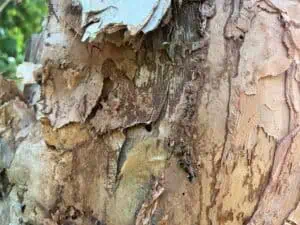
Is Termite Control North Brisbane Needed

Key Takeaways

  • Early termite control is essential in North Brisbane due to the warm climate, which fosters increased termite activity and risks of infestation.
  • Recognizing early signs, such as mud tubes or hollow sounds in wood, allows for prompt action before extensive damage occurs.
  • Delaying treatment can lead to severe structural damage, increased repair costs, and potential safety hazards, making early intervention crucial.
  • Professional inspections help detect hidden activity and implement effective treatment plans, preventing long-term damage and preserving property value.
  • Proactive prevention strategies, like eliminating wood-to-soil contact, significantly reduce the risk of infestations and associated costs.

How to Prevent Termite Infestation in North Brisbane

To keep your home safe from termite infestations in North Brisbane, it’s vital to take proactive measures. Start by maintaining your property; clear away debris and wood piles that attract termites. Make certain that your gutters are clean and that water drains away from your foundation, as moisture can be a magnet for these pests.

Consider regular inspections with A1 Pest Management North Brisbane, as they can identify potential threats before they escalate. Installing physical barriers during construction can also help; steel mesh and concrete are effective in keeping termites at bay.

Using chemical treatments can provide additional protection, but it’s essential to have a tailored plan that suits your specific environment and risks. By understanding the habits of termites in North Brisbane, you can implement effective termite control strategies and safeguard your home from potential infestations.
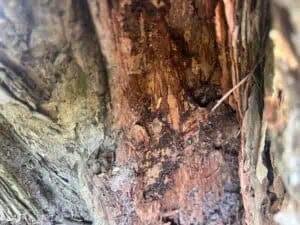
Why Termite Control Is Crucial for Homes Here

Since the climate in North Brisbane is conducive to termite activity, effective termite control is essential for homeowners. Termites thrive in warm, humid environments, making your property a prime target. A proactive approach to termite management not only protects your investment but also enhances your home’s structural integrity.

Neglecting termite control can lead to severe damage, often unnoticed until it’s too late. By implementing a robust termite prevention strategy, you minimize risks and can potentially save thousands in repair costs. Regular inspections by professionals ensure that any early signs of infestation are promptly addressed.

Moreover, maintaining a pest-free home creates a healthier living environment for your family. It’s not just about damage control; it’s about peace of mind. So, take termite control seriously—your home’s safety and value depend on it. Don’t wait for visible damage; act now to safeguard your property from hidden threats.

What Are the Early Signs of Termite Infestation?

Recognizing the early signs of termite infestation can save you a lot of hassle and money down the line. One of the first indicators is the presence of mud tubes on walls or foundations; these are the highways termites use to travel. You might also notice small, discarded wings near windows or doors, which suggests swarming activity. Another sign is a hollow sound when you tap on wooden structures; this indicates the wood might be compromised. Additionally, look for frass, which resembles wood dust and is a byproduct of termite activity. If you see sagging floors or ceilings, that could be a sign of structural damage. Finally, be alert for unexplained moisture; termites often create environments conducive to dampness. Being vigilant about these signs can make a significant difference in catching an infestation early and mitigating damage effectively.

What to Do If You Spot Early Signs of Termites?

Spotting early signs of termites can be alarming, but taking immediate action can help minimize damage. Here’s what you should do:

  1. Inspect Thoroughly: Check your property for any visible signs of termites, including mud tubes, droppings, or hollow-sounding wood. Pay close attention to areas like basements, attics, and around foundation walls.
  2. Document Findings: Take photos and notes of any evidence you find. This documentation can be crucial when discussing the issue with pest control professionals.
  3. Contact a Professional: Reach out to a licensed pest control expert who specializes in termite management. They’ll assess the situation and develop a tailored treatment plan to address the infestation effectively.

The Hidden Dangers of Delaying Termite Action

Delaying action against termites can lead to dire consequences for your home. When you postpone treatment, you’re not just risking minor damage; you’re inviting a full-blown infestation. Termites thrive in silence, often causing extensive destruction before you even notice their presence. This hidden activity can weaken critical structural components, setting the stage for costly repairs.

Moreover, the longer you wait, the more challenging and expensive extermination becomes. Early intervention is key; it gives you the upper hand in managing the situation effectively. You might think you’re saving money by delaying, but that can backfire dramatically. Ignoring signs or relying solely on preventive measures isn’t enough. You need a proactive approach to safeguard your investment and peace of mind. Remember, the cost of inaction far outweighs the investment in timely termite control. Being vigilant now can save you from a world of trouble later.

How Termites Damage Your Home’s Structure

Termites can compromise your home’s structural integrity in ways you might not immediately realize. Their silent invasion often leads to significant damage before you even notice. Understanding how they operate is crucial for effective management.

  1. Eating Wood: Termites primarily consume cellulose found in wood, which weakens beams, floors, and walls, compromising your home’s load-bearing capacity.
  2. Creating Tunnels: They build intricate tunnels within the wood, allowing them to travel undetected. This tunneling can cause critical structural failures over time.
  3. Moisture Damage: As they burrow, termites can inadvertently introduce moisture into your home’s structure, leading to mold and decay, further degrading integrity.

Proactive Termite Prevention Tips for North Brisbane Homes

To keep your North Brisbane home safe from termites, it’s essential to take proactive measures before an infestation can occur. Start by eliminating wood-to-soil contact; verify that wooden structures are elevated and utilize concrete or metal barriers. Regularly inspect your home’s foundation and exterior for cracks or crevices where termites might enter. Maintain a dry environment by fixing leaks and ensuring proper drainage around your property.

Consider using treated wood for decks and fences, as it’s more resistant to termite damage. Mulch is attractive to termites, so keep it away from your home’s foundation. Finally, schedule annual inspections with a pest control professional to catch any hidden activity early. By taking these steps, you’ll substantially reduce the risk of a costly infestation and protect your investment for years to come.

What to Expect From a Professional Termite Inspection?

When you schedule a professional termite inspection, you can expect a thorough evaluation of both the interior and exterior of your home. This essential process helps to identify any hidden infestations before they escalate into significant damage. Here’s what typically happens during the inspection:

  1. Comprehensive Assessment: The inspector will examine structural elements, looking for signs of termite activity, such as mud tubes or wood damage.
  2. Moisture Check: They’ll assess areas prone to moisture, as termites are drawn to damp environments. This includes checking basements, crawl spaces, and around plumbing fixtures.
  3. Recommendations: After the evaluation, you’ll receive a detailed report outlining findings and suggested preventative measures to mitigate future risks.

Comparing DIY and Professional Termite Treatments

After understanding what a professional termite inspection entails, you might wonder about the options available for treatmentDIY methods, like bait stations or chemical sprays, can seem tempting. They’re often less expensive and readily available, but they come with risks. Without proper knowledge, you might misapply products or miss hidden colonies, allowing termites to thrive.

On the other hand, professional treatments offer expertise and tailored solutions. Licensed pest control experts use advanced techniques and products that are often more effective. They can assess the extent of the infestation, apply treatments strategically, and implement preventative measures.

While DIY may save you money upfront, consider the long-term costs of potential damage. If you’re serious about mastering termite control, investing in professional services is typically the safer bet. It not only addresses immediate concerns but also fortifies your home against future infestations. Your peace of mind is worth it.

The Cost of Termite Damage in North Brisbane

Termite damage can cost homeowners in North Brisbane thousands of dollars in repairs and lost property value. Ignoring signs of infestation can lead to significant financial strain. Here’s what you might face:

  1. Repair Costs: Structural damage can require extensive repairs, often exceeding $10,000, depending on the severity.
  2. Decreased Property Value: Homes with a history of termite damage can lose up to 25% of their market value, making resale challenging.
  3. Ongoing Treatment Expenses: Once termites invade, continuous treatment and monitoring can add up, leading to further financial burden.

Being proactive about termite control can save you from these costly consequences. Early detection not only preserves your home’s integrity but also maintains its market value. Don’t wait for visible damage—act now to safeguard your investment.

Frequently Asked Questions

How Long Does a Termite Infestation Typically Go Unnoticed?

termite infestation can linger like a shadow in your home, often going unnoticed for six months to a year. During this time, these silent destroyers feast on your structure, slowly weakening its foundation. You’ll likely see no signs until significant damage occurs, leaving you unprepared. By understanding this hidden menace, you can take proactive measures to safeguard your home, ensuring it remains strong and resilient against these unwelcome guests.

What Types of Termites Are Common in North Brisbane?

In North Brisbane, you’ll commonly find subterranean termitesdrywood termites, and dampwood termites. Subterranean termites are particularly problematic, as they live in colonies underground and can cause significant structural damage. Drywood termites, while less common, can infest wooden structures without needing contact with the soil. Dampwood termites prefer moist environments and can often be found in decaying wood. Understanding these types helps you take proactive measures to protect your property.

Can Termites Cause Health Issues for Residents?

While termites themselves aren’t direct health threats, their presence can lead to issues. Have you considered how the moisture they create might contribute to mold growth? That mold can trigger respiratory problems and allergies. Additionally, structural damage from termites can lead to unsafe living conditions, indirectly impacting your well-being. So, it’s essential to address any signs of termite activity early, ensuring both your home and health remain protected.

Are There Seasonal Trends in Termite Activity?

Yes, there are seasonal trends in termite activity. Typically, you’ll find increased activity during warmer months, especially spring and summer, when temperatures rise and moisture levels are higher. This creates ideal conditions for termites to swarm and establish new colonies. In cooler months, activity slows down, but termites can still cause damage hidden within structures. Staying vigilant year-round is essential to catch any signs early and protect your property effectively.

How Can I Tell if My Home Is at Risk?

Your home might be a termite buffet if you notice mud tubeshollow-sounding wood, or discarded wings. These pests are stealthy as shadows, often hiding until it’s too late. Keep an eye out for moisture problems, as damp areas are prime targets. Regular inspections and maintaining proper ventilation can help you stay ahead. Remember, an ounce of prevention is worth a pound of cure, so don’t wait until you see damage to act!
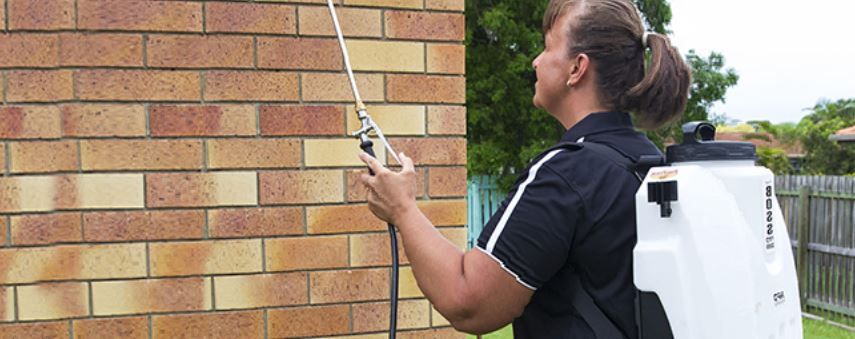
Premier Service at an Affordable Price

female pest control operator spraying brick wall
Enquire Today

Copyright © A1 Pest Management: Termite and Pest Control North Brisbane. All Rights Reserved.
Website by 8 Web Design